9am - 5pm
         404.478.3017        

All posts by webadmin

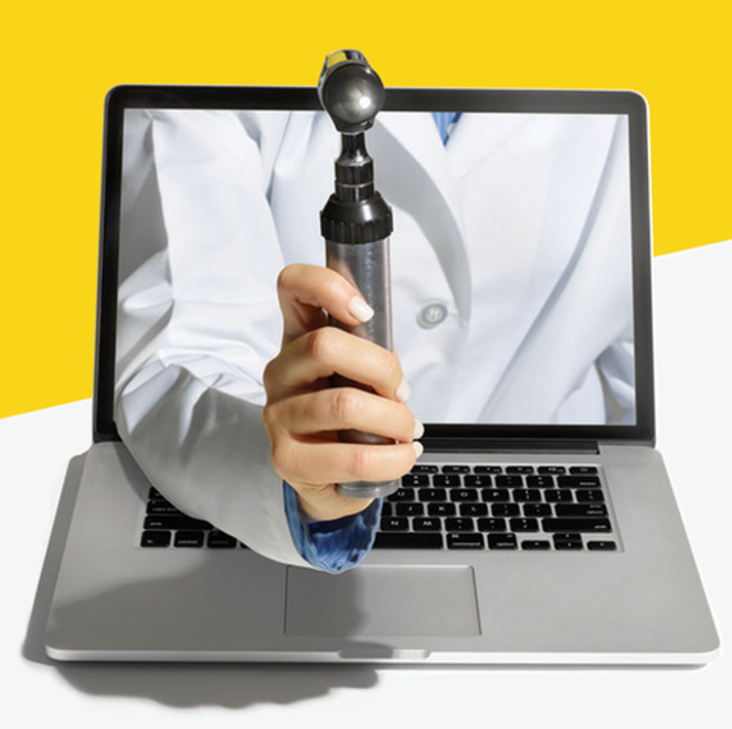
What Everyone Should Know About the Telehealth Trend

Seeing a doctor digitally is on the rise, but should you?

By Meryl Davids Landau

Getting to the nearest high-risk pregnancy specialist was an ordeal for Tara Perez, a 35-year-old with type 1 diabetes. Tara lives in Cartersville, GA, a small town that can be up to three hours from Atlanta during rush hour. Because of her condition, it was critical for her to see this doctor regularly.

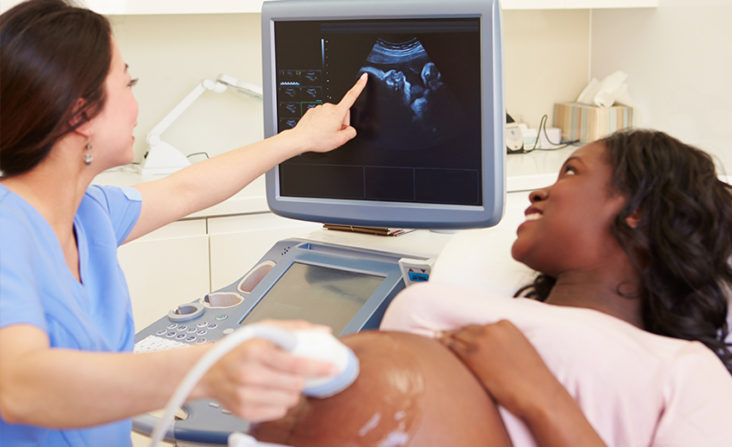
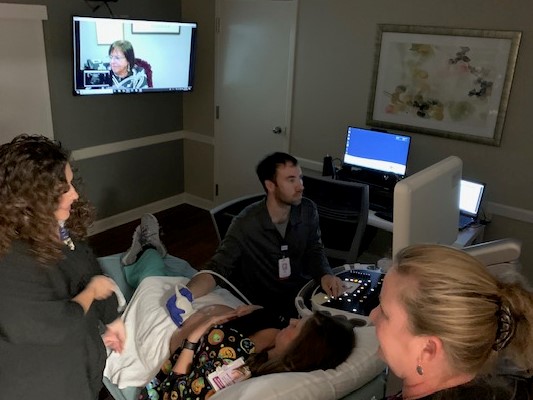
Fortunately, Tara’s local ob/gyn teamed with an Atlanta telehealth company, so every few weeks when she went for her checkup, she was also able to video-chat with maternal-fetal doctor Anne Patterson, M.D. Skipping the long-distance drive meant that the appointments didn’t take much time away from Tara’s home fragrance consulting business. Most important, it allowed her to have top-notch medical care.

The ability to offer specialty medical care outside of a big city is a key reason that telehealth (sometimes called telemedicine) has taken off in recent years. What’s fueling the surge: increased access to health care and improvements in technology, such as a secure flow of information. These allow health care providers to do things they couldn’t 25 years ago, like get near-instantaneous results for ultrasounds, EKGs, and other tests.

What a virtual appointment is like

Last year, some 7 million Americans accessed a doctor via a screen. The number of these live video appointments grew sixfold from 2015 to 2018, according to Rock Health, a fund that invests in health technology companies, and is expected to keep rising. At the same time, stores like Walgreens, Rite Aid, and CVS are starting to offer urgent-care video link-ups in some locations.

While insurance reimbursements for remote treatment vary from state to state and plan to plan, some 96% of large companies offer a telehealth benefit to employees.

Patients who have established relationships with doctors or therapists may prefer to download an app to talk to them rather than fight for an appointment. For other patients, the key is saving time—and not missing out on earnings to head to an in-office appointment.

Beyond convenience, research shows that telehealth can be as effective as in-person doctor visits. When 50 multiple sclerosis patients in a University of California study saw a new-to-them neurologist via video, all said their appointment satisfied their goals (e.g., understanding test results or adjusting meds), and three avoided a trip to the ER because the doctor was able to assess and treat them remotely.

When technology isn’t enough

Of course, there are situations in which telehealth is not appropriate. If you’re having an asthma attack or a cardiac emergency, for example, you should head to the ER, and some less dire conditions are also better diagnosed in person. In some remote situations, both physicians and patients may find the distance hard to bridge. “If someone we’ve been helping loses a pregnancy, the doctor can’t reach through the camera to give them a hug,” Mack says.

Is telehealth the future?

With access to the technology and a little practice, though, doctors say they can usually give their patients what they need. Instead of bedside manner, “we call it ‘webside manner,’” says David Mishkin, M.D., medical director of Baptist Health’s telemedicine program. “Doctors are beginning to see that this is part of the future for improving access and expanding the delivery of health care,” Dr. Mishkin says. If it offers patients quality care at an affordable price, it’s a future we can all embrace.

Read full Article: https://www.prevention.com/health/a29490042/what-is-telehealth/
Read More

The Engineer Inside the Physician

Dr. C. Anne Patterson’s Journey into Telemedicine

Telemedicine — the delivery of healthcare via telecommunication technologies — has been around for decades. But it took an engineer to get it just right. 

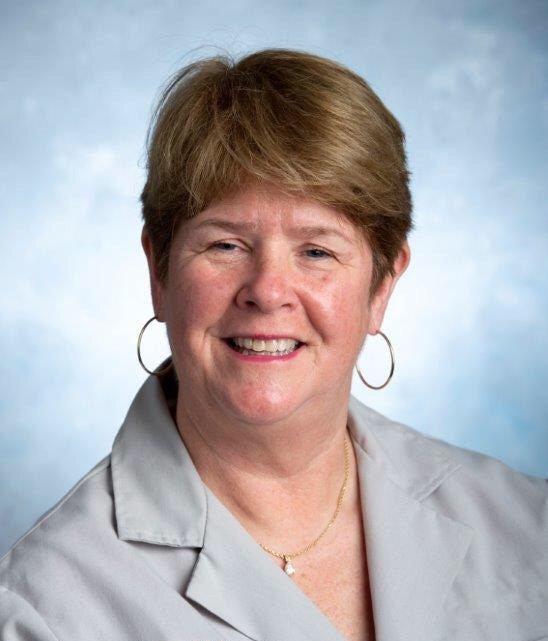
“We were doing telemedicine at NASA in the early 70’s, but it was completely ‘unsophisticated’ by current standards,” says Georgia Tach aerospace engineering alumna C. Anne Patterson, a board-certified OBGYN and CEO of the Sandy Springs-based Women’s Telehealth.

“We used a satellite to provide information about birth control that people in India could watch in between regular television programing,” remembers Patterson. “I was a propulsion engineer working on that satellite. Later, the satellite was re-purposed to send medical information to physicians in very remote areas of the Rocky Mountains. And that was the extent of our ‘telemedicine’ in the 70s.”

Four decades later, the telemedicine that Patterson now practices is much more than a medically-themed infomercial beamed down from a satellite. It is a systematic use of several technologies (including satellites), all with the goal of delivering personalized medical care directly to patients in remote areas. Telemedicine is also removing one of the largest barriers to health care delivery in the rural South: a chronic shortage of specialized medical practitioners.  

“We’ve been able to set up clinics in seven southern states,” says Patterson. “We’ve reached more than 30,000 mostly low-income women — women who would not have access to maternal-fetal health. This is what modern telemedicine is capable of doing.”

Finding her Specialty

Patterson chose her medical specialty — maternal-fetal medicine — in part because it plays such a critical role in Georgia, which has some of the highest rates in the United States for maternal mortality and pre-term delivery, particularly among women of color. 

 “We conducted a study in Albany Georgia — an area that had preterm birth rates of 18 percent for African-American women, and 16 percent for Hispanic women,” says Patterson. “Those rates were the highest in the state. While it was a tough region to choose, everyone was receptive to trying something new to make a difference.” After bringing telemedicine into the area for 18 months, pre-term birth rates dropped to 8 percent and 6 percent respectively, which is lower than the national average. To date, the rates remain at this level or lower.

Telemedicine is uniquely suited to address the problems faced by the rural poor, Patterson points out. It does not involve high transportation costs, travel time, childcare, or Medicaid. With all of these barriers eliminated, patients are more likely to initiate and maintain contact with the medical system earlier in their pregnancies. Women’s Telehealth helps these high-risk patients to manage chronic health problems — like diabetes and hypertension — that could threaten their pregnancies.  

In a typical consultation with Patterson, the conversation rarely ends when doctor and patient have checked off all the obvious medical issues, however. Before the video shuts down, Patterson leans into a more motherly consult with her patients, who have likewise relaxed their once-tense postures. At these moments, it’s a little easier to understand why Patterson is still seeing patients long past the point when most physicians would have retired.

Complete article go to: https://coe.gatech.edu/news/2019/11/engineer-inside-physician

Read More

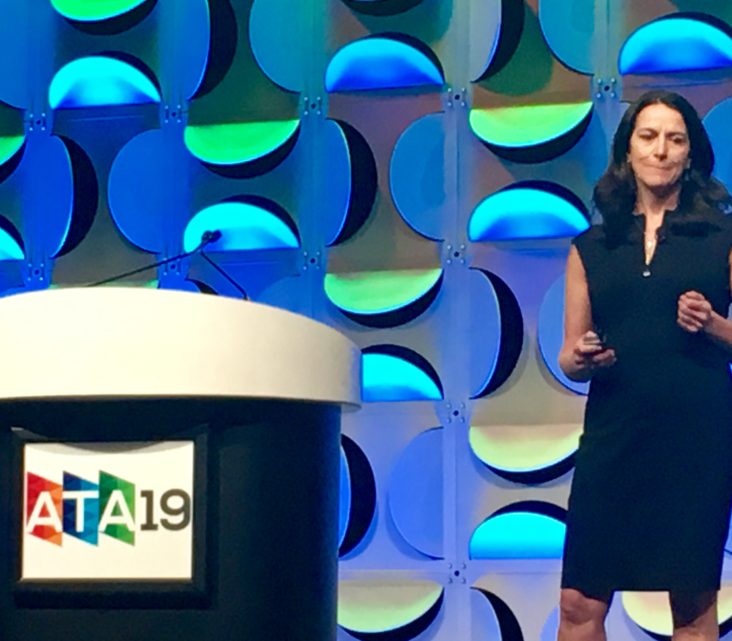
TOP 10 “TAKEAWAYS” FROM ATA CONFERENCE 2019

Educate. Inspire. Provoke.  The 2019 American Telehealth Association industry conference, held in New Orleans, LA this week, accomplished all of these. Telehealth is evolving as one component of “Digital Health” and has proven its value as a health care accelerator.  Here are some of my top of mind observations from the meeting:

  • A Huge Gap Exists Between Telehealth Capability and Use: Consumers are actually leading telehealth adoption.  Experts at the conference cited 22% of providers are using telehealth but 69% want to.  Hospital use disparity is similar. More opportunity exists than is realized.
  • Strategic Partnerships are Critical to Advance Telehealth: Telehealth delivery is too complex for organizations to work in isolation and do everything themselves.  Interesting partnerships are emerging to expand capability, share risk, access developed distribution channels and engage patients.
  • Access to Care Remains a Key Motivator: Behavioral Health.  Opioid Crisis.  Access to Specialty Care are top needs.
  • Retail Entering the Telehealth Space is Forcing Change Fast:  Think Best Buy Healthcare in stores and offering “Tech Pharmacy”- like device and service bundles.  Think Alexa answering medical questions, scheduling referrals and sending you medication reminders.  Think Geek Squad keeping your wearables and home blue tooth medical devices functioning.   It’s here people.
  • Meet the Patient Where They Are – Millennials First!: HopeLab shared, “46% of young people would rather have a broken bone than a broken phone.”  90% of young people go online for healthcare.  45% of millennials have no primary health provider.  Smartphones and online are the preferred access points. Patient engagement and satisfaction are vital signs of telehealth success.
  • Platform and Product Integration is Crucial: Hospitals are moving to enterprise telehealth solutions. Payers are looking for company diagnostic tech partners. Providers will not tolerate multiple in/out of platforms.  Patient devices vary. Who makes it all work together with the fastest, least amount of clicks wins.
  • The Hospital is Coming Home: Remote home monitoring, wearables, blue tooth devices, medical apps, sensor technology  and little healthcare affordability relief.  We are moving away from a hospital dominant healthcare system. Patients are finding healthcare environments comfortable and affordable for them.
  • AI and Data are Real. Now. : Analytic rigor. Disciplined innovation cycles. Population health management.  Hospitals showed how they are using AI in an intra-facility manner in the surgical post op area to alert staff more quickly via set triggers to avoid more complex complications using AI and feeds from medical monitors in-house.  In addition, one company outlined their use for AI in the healthcare operation space vs. clinical as a priority to speed up mundane processes.  Image reading by AI faster than we can blink, let alone think.   It’s here, evolving fast and touching telehealth.
  • We Remain Collectively Concerned about Security: Read the news. Daily breaches.  Our health privacy is top of mind for valid reasons. Keep vigilant.
  • The Government is Our Slowest Path to Change-But You Can Help: Senator Bill Cassidy of LA, who is also a physician, gave the audience a reality check about Congress members’ experience of healthcare. Not the same as ours – and he cautioned that any change is a long process that will require education.  Fastest way to advance telehealth – invite them to come and see what we do so they have the direct experience of it. While they are there, provide them with the answers they can use when they are questioned about telehealth – in writing.           

As I left the meeting, having attended for several years, it is satisfying to see telehealth not only mature but start skyrocketing to benefit many. We are all still learning quickly and together.  I was encouraged to see new faces… but, was left questioning whether the meeting was too heavy  on “industry” and too light on patients and providers tracks.  My biggest question, as echoed by others there:  “Now that we’ve proven it, how will we work together to get the value out of telehealth?”         

Tanya Mack, President
Read More

ARE YOU A TELEHEALTH ENABLER?

Enabling often gets a bad rap. We’re not talking about enabling someone to persist in self-destructive behavior, but in the positive sense of “making able!” Our goal is to help you be the person who not only makes telehealth possible, but successful! 

Attending the Georgia Global Partnership for Telehealth conference last week, I listened to the breakdown of their 650+ telehealth sites in Georgia.  There were two surprises – only 26% of sites were hospitals and only 6% were providers.  LOW ADOPTION IS REAL. Georgia is one of the nation’s leaders in the telemedicine business.

What’s Missing

I often do telehealth “readiness” walks through many types of facilities, from private practices to government clinics to hospitals, and I’m constantly amazed by the most common barriers to telehealth adoption by organizations:

1) Lack of a telehealth enterprise-wide strategy 

2) Lack of telehealth expertise (internal or identified partners)

Driving Forces

The Medical Group Management Association (MGMA) recently reported that patients are the biggest group driving telehealth adoption because they expect access and are eager to take advantage of advanced technologies.

Most medical organizations are now saying, “Yes, we want to offer telehealth services.” The motivating factors include expanded geographical coverage, increased patient satisfaction and additional specialist offerings.  The immediate, important question is, “how?”

Steps on the Telehealth Path  

The organization CEO and a telehealth provider champion taking action together is not only a great place to start, but required for telehealth program success.  Here are other steps in the process.

  • Conduct a needs assessment (internal resources, top value based initiatives, vendors)
  • Prioritize the findings and create an enterprise-wide telehealth strategy
  • Access internal resources and the telehealth marketplace (government, consultants, industry vendors) to fulfill the needs and gain access to experts
  • Use /partner with telehealth experts (Government regional offices, organizations, consultants)      
  • Path: Assess/Strategize/Engage Stakeholders/Install/Test and Train/ Implement

Telehealth is not a standalone solution, it is a set of tools that is quickly becoming not optional as a central way to provide healthcare, maximize resources, promote efficiency, add revenue and meet patient demand


So, we hope your answer is YES, I’m a telehealth enabler! We wish you much success in developing your telehealth program!

~Tanya Mack, President
Read More

World Prematurity Day Highlights Education and Technology As Solutions

World Prematurity Day is Saturday November 17, a day designed to draw attention to the more than 380,000 babies who are born too soon in the United States every year. Alabama’s pre-term birth rate is 12%, as published in the annual report from the March of Dimes, earning the state a grade of “F” which is unchanged from the previous year.  Baptist East Hospital in Montgomery, Women’s Telehealth and Dr. Anne Patterson have launched a new MFM Clinic to support expecting Moms in the prevention of premature births.  Please click the link below to view the WSFA news report.

http://www.wsfa.com/2018/11/15/world-prematurity-day-raises-awareness-education-about-babies-born-too-soon/

Read More

Women’s Telehealth Selected as a 2018 Atlanta Metro Export Challenge Winner

ATLANTA – November 5, 2018  Women’s Telehealth is a recipient of a $5,000 grant in the annual Atlanta Metro Export Challenge (Atlanta MEC), a grant program designed to engage small- and medium-sized businesses in metro Atlanta in the development of international sales plans.

Companies from all over the 29-county region, ranging in size from pre-revenue startups to small and established medium-sized businesses, applied to the program. Thirty companies were selected in the competition and will each receive a grant of $5,000 to apply towards the growth of their international business.

Women’s Telehealth is thrilled to be in receipt of The Atlanta MEC grant and plans to use this funding to make technology enhance to benefit the launch and relationships associated with Project Echo to decrease  maternal and infant mortality rates in our partner countries.

Women’s Telehelath provides high risk obstetric service  via telemedicine.

To see the full list of grant awardees, click here

The Atlanta MEC is one of many ways to engage small- and medium-sized companies in metro Atlanta in the development of their international business. Over the last two years, the program has given out more than $400,000 to metro Atlanta companies thanks to the generous sponsorship of JPMorgan Chase & Co, which again contributed $100,000 to this year’s program. Additional sponsorship came from the Metro Atlanta Chamber, UPS, Johnson Controls and Partnership Gwinnett.

“JPMorgan Chase is pleased to help metro Atlanta businesses grow in the international economy,” said David Balos, head of JPMorgan Chase’s Middle Market Banking group in Georgia. ‘’These grants will help companies spend time in their target markets to meet with distributors, partners, and potential customers. Seeing metro Atlanta companies grow their international business will consequently lead to job creation and growth of the metro Atlanta economy.”

The Atlanta MEC is being implemented by ORBATL, a regional partnership of metro Atlanta public and private leaders that enables businesses to grow in the global economy through trade and foreign direct investment.

Read More

Women’s Telehealth Opens Clinic in Montgomery Alabama

Women’s Telehealth has opened the first Telemedicine Maternal Fetal Medicine Clinic at Baptist Medical Center East in Montgomery, Alabama. An open house was held on October 30 to introduce the new clinic to the public and medical communities.  Click link below to view news coverage of the Open House.

Baptist Medical Center East Open House

Read More

Dr. Dinsmoor Joins Women’s Telehealth

Women’s Telehealth welcomes Dr. Mara J. Dinsmoor to our telemedicine practice.  Dr. Dinsmoor earned her undergraduate degree from Dartmouth College in Hanover, NH and went on to earn her Medical Doctor’s degree from Indiana University. She completed her residency in Obstetrics and Gynecology at the Medical Center Hospital of Vermont and completed a fellowship in Obstetrics and Gynecology at the University of Texas Health Science Center in San Antonio, Texas. Dr. Dinsmoor also holds a Masters Degree in Public Health.  After completing her fellowship, she joined the faculty at the Medical College of Virginia (now Virginia Commonwealth University) where she worked for 12 years.  She became a tenured Associate Professor and was the Head of the Maternal Fetal Medicine Division.  Her research interests while there were HIV in pregnancy and group B streptococcus.  In 2001, Dr. Dinsmoor returned to the Midwest and has been with NorthShore University HealthSystem for the past 17 years, reaching the rank of Clinical Professor.  Her primary research focus at NorthShore has been the NICHD Maternal Fetal Medicine Unit Network studies. We are proud to have such an accomplished physician join Women’s Telehealth.

Read More

Mother’s Day Kicks Off National Women’s Health Week!

Mother’s Day, yesterday, kicked off the 19th annual National Women’s Health Week- and oh, we women are often taking care of everyone but ourselves, right?! The smallest changes often make big differences so we are encouraging ALL women to say “YES” to one step toward better health and it may be easier than you think. Here are some beginning steps to consider:
*Call and make an appointment for your annual well woman check-up and preventative screen.
*Eat healthier this week.
*Get some extra (or even normal) sleep.
*Think safety: wear your seatbelt and don’t text while driving!
For more tips, follow: #NWHW or share your story at #WhatIWishIdknown

Read More

Talking Diabetes Awareness with Rimidi’s Dr. Lucie Ide

The US is experiencing a diabetes epidemic that affects patients, providers and payers. November is National Diabetes Awareness Month and we sat down with Dr. Lucie Ide to discuss Rimidi’s revolutionary digital healthcare solution for improved diabetic management: https://www.spreaker.com/user/cwhall3/talking-diabetes-awareness-with-rimidis-


Read More