9am - 5pm
         404.478.3017        

All posts by Adminrf

Newborn Umbilical Cord Blood Banking: The Basics

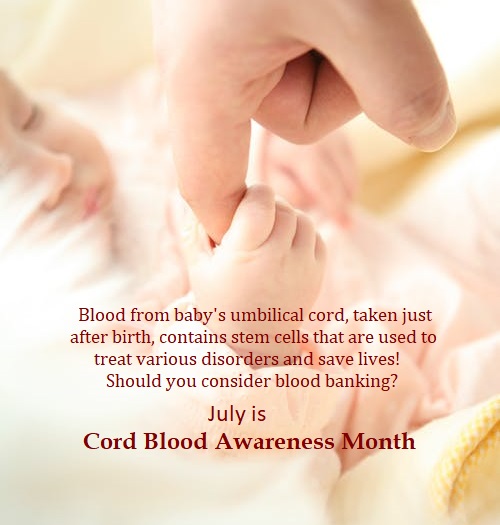
Umbilical cord blood (UCB) is rich in stem cells, which have the potential to be used to improve and save lives once they are collected and preserved for future medical use.

Over the past 30 years, since the first cord blood transplant was performed in Paris, France, the industry has continued to evolve in clinical applications. UCB is primarily banked and then available for treatment potential and compatibility. UBC can be legitimately used for treatment of over 80 diseases including:                                                       

  • Certain blood disorders (leukemia, lymphoma, anemia)    
  • Immune disorders
  • Genetic disorders
  • Inherited metabolic disorders
  • Possible transplant matches

Cord Blood Collection

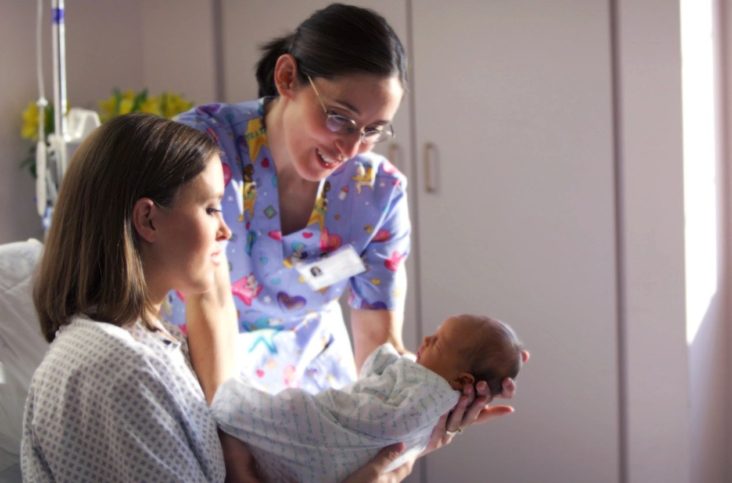
Obstetricians have a key role in UCB as they spread awareness, counsel expectant parents about their options and also serve as the UCB collectors.  It is wise not to wait until delivery to make the decision to bank cord blood as arrangements must be made with the hospital and cord blood bank in advance. UCB collection is performed immediately after birth and is safe, painless and voluntary. The delivering physician clamps and cuts the cord, collects the blood in the umbilical cord and the cord itself in a sterile, protective cup. Then, a pre-arranged courier picks it up for processing in the lab. Once it is prepared and the stem cells have been extracted, it is cryopreserved and stored or “banked” for future medical use.  Recently, experts estimated there are almost 6 million cord blood units “banked.”

Public or Private Banking?

In the U.S., health insurance does not cover cord blood collection, processing or banking fees.  Patients collecting UCB can choose to donate cord blood and have it stored in a public cord blood bank and the costs are free. Donated cord blood could help save the life of someone in need or be used for valuable medical research. Patients can also choose and pay for private UCB banking. Privately banked cord blood is stored just for the family’s future use. It may help treat a family member who is sick and needs a stem cell transplant.

Upfront costs can vary from $500 to $2,500, plus an annual storage fee of around $300-500. Recently, private UCB has sharply increased and public UCB is going down.

There is no current, scientific data how long stem cells may be “banked,” although experts have stated that preserved stem cells have no expiration date and frozen stem cells may remain so indefinitely without losing their properties once thawed.

Cord Blood Banking and the Future

Although many view UCB as “biological insurance,” advanced cell therapies, especially in the areas of regenerative applications such as cerebral palsy and autism, are being studied intently. In tracking “released” UCB, 50% of clinical uses have been for brain injury patients and about 26% for congenital anomalies. 

Today, approximately 1:1,000 is the ratio of “used” UCB to “banked” UBC.  Although there is much promise and great potential with the current and future uses of UCB, there is no guarantee on the return of banked UCB.  We do know that research drives medical progress and numerous patients have achieved the benefits of banked cord blood.

For more information and to spread the news about UCB Banking during National Cord Blood Awareness Month, visit:   www.parentsguidecordblood.org

~Tanya Mack, President
Read More

High Trisomy 18 Risk: Concerns Relieved Story

Unborn baby’s high birth defect risk is the focus of this Women’s Telehealth patient story.

This Pregnancy’s Challenge: In a prior pregnancy, prenatal tests indicated positive results for Downs Syndrome for this mom-to-be. Fortunately, this proved not to be the case and her baby was indeed born healthy.  However, with the next/current pregnancy, the patient was extremely worried when “Quad Test” results [deleted: during her current pregnancy] reflected a 1:56 risk for Trisomy 18 and the ultrasound conducted at the local hospital was inconclusive.

Trisomy 18, also known as Edwards Syndrome, is similar to Downs Syndrome, as they are both caused by a chromosome abnormality. Unlike Downs Syndrome however, Edwards Syndrome is potentially more life-threatening during the neonatal period and early life. It was very important that the mother and unborn child receive high-risk OB Specialist care. 

The Team’s Actions: Because there were no MFM Specialists in the patient’s community and it was over an hour drive to the closest one in Albany, GA, the patient opted for MFM care via telemedicine through Women’s Telehealth based in Atlanta.  WT was able to offer the patient in-depth evaluation and consultations via telemedicine directly from her local OB physician’s office.

  • The patient declined amniocentesis, a procedure whereby amniotic fluid is collected for     detailed diagnostic testing and at the time, free cell DNA testing via maternal blood was not available. 
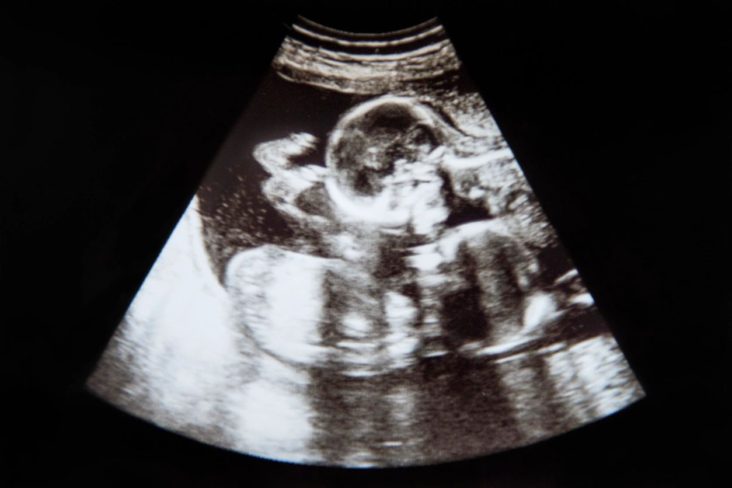
  • Advanced, serial “live” ultrasound imaging for fetal growth and well-being was performed.  
  • WT conducted regular MFM physician consultations to monitor the baby’s development.           
  • A co-management plan was developed between the WT MFM specialist and local OB/GYN.

The Results:

  • High risk monitoring continued to show no abnormalities and a healthy baby was born!
  • The family saved an est. $500 in travel expenses, not going to and from the home to Atlanta, $2000 out of pocket hospital facility fees, and over 28 hrs of commuting time.

WT’s progressive telemedicine capability, providing the right specialist at the right time, supported the patient safely through an uncertain, emotional journey. In this case, the WT team was able to allay the patient’s concerns and celebrate a positive outcome!

. . . . . . . . . . . . . . . . . . . . . . . . . . . . . . . . . . . . . . . . . . . . . . . . . . . . . . . . . . . . . . . . . . . . . . .

Birth defects are a common, critical and costly condition affecting 1 in every 33 babies born in the U.S. each year.* For more information about birth defect stats, prevention, diagnosis and aftercare, visit: https://www.cdc.gov/ncbddd/birthdefects/facts.html

*Centers for Disease Control and Prevention. Update on Overall Prevalence of Major Birth Defects–Atlanta, Georgia, 1978-2005. MMWR Morb Mortal Wkly Rep. 2008;57(1):1-5.

. . . . . . . . . . . . . . . . . . . . . . . . . . . . . . . . . . . . . . . . . . . . . . . . . . . . . . . . . . . . . . . . . . . . . . .

Our goal in sharing patient stories is to show the role and possibilities Women’s Telehealth plays in accessing and intervening in high risk pregnancies. We help turn patient and OB provider concern into the best possible care plans and outcomes for mom and their babies.
For more information, call our office at: 404.478.3017

Read More

Telehealth from a Soldier’s Perspective: Saluting Lt. Col. (Ret.) Daniel R. Brewer

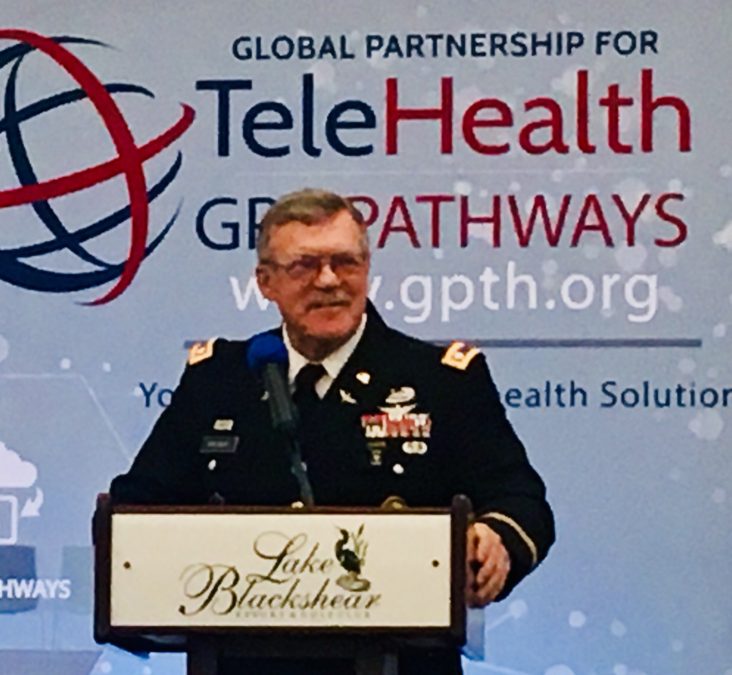
On a spring day at Lake Blackshear at the Global Partnership for Telehealth annual GA conference, I heard one of the most inspirational keynote speeches I’ve ever heard about my telehealth profession. Dressed in full uniform, LTC(R) Daniel R. Brewer delivered the moving address, “A Soldier’s Perspective on Healthcare.” Along with a series of impactful pictures, Brewer’s presentation about the intersection of telehealth and war unfolded. The audience was spellbound.

LTC Brewer served several tours in Afghanistan and Iraq and had the opportunity to work with Generals David H. Petraeus and James N. Mattis. Brewer solved environmental problems we often see or associate with war, when we are viewing from afar. However, burn pits, hazardous waste, medical waste, oil spills and improper water disposals were issues that needed his solutions. But then he was injured.

LTC Brewer clearly outlined for us from his first-hand perspective, how once a soldier is injured, the task at hand quickly focuses on staying alive. Access to immediate healthcare is essential and that’s what telehealth provides. Healthcare access = ALIVE. LTC Brewer pointed out that he and many other soldiers may not be here today if not for the remote care provided by the Department of Veterans Affairs.

Telehealth is one of the rare success stories of war. The U.S. military has been a leader in telemedicine for decades, employing technologies ranging from pictures from the battlefield, to direct emergency treatment, to mental telehealth visits for PTSD once vets are home. Telehealth at any point, delivered to an injured soldier, improves healthcare accessibility.

The military is also using new technologies, including EEG devices, to measure concussion effects and the extent of brain injuries. They lead in telemedicine in so many ways and the U.S. VA system is one of the world leaders in the use, scope and scalability of telehealth during deployment, active duty and once our soldiers are home.

At the end of his speech, LTC Brewer challenged the audience to be strong telehealth “enablers,” in the positive sense of helping make things happen! He was the biggest enabler of all of us that day and we were proud of acknowledge him with a standing ovation.

In our business, we save high risk moms’ and babies’ lives often via telehealth. But from the audience that day, I had the opportunity to see how telehealth also prevents death and injury from a different perspective. It made me proud to be in the business of telehealth and so proud of our U.S. military taking care of their own, when the system is often criticized.

As we celebrate our freedom this week, Women’s Telehealth once again salutes LTC Brewer for sharing his amazing story!
~Tanya Mack, President

Read More

Preventing HIV Transmission to Your Baby during Pregnancy

The US has estimated that 1 million Americans are living with HIV today – and 1 in 7 do not know they have HIV as they have no symptoms. June 27th is World HIV Testing Day and Women’s Telehealth is working to raise awareness about preventing HIV transmission during pregnancy. Prevention starts with HIV testing and knowing your status.

Since 1995, the CDC has recommended that all pregnant women be test for HIV and STD’s in their first and third trimesters and then receive treatment during pregnancy if they test positive for HIV. Yet, recent statistics estimate that in the US, 31% of pregnant women are still not tested for HIV. Concurrent testing for STD’s allows for specifically testing for syphilis (which is treatable) and the prevention of congenital syphilis in the newborn. HIV infection is more prevalent in Southern States, African Americans, and in young people. Testing can be completed in a doctor’s office, hospital, clinic or home.

If the mom’s HIV test is positive or the mom has known HIV infection, with treatment, the risk of transmitting the infection to the newborn can be reduced to approximately 1% through early testing and diagnosis and the use of anti-retroviral therapy (ART) with increasingly effective medicines. The sooner therapy is started the better. The medications work by preventing HIV from multiplying, keeping the viral load in the body low. This helps a pregnant mom stay healthier and significantly decreases the likelihood of transmission during pregnancy or birth. Some of these medications also pass through the placenta adding extra protection for the baby. Most of these ART meds are safe during pregnancy but the best treatment regimen should be determined by a high risk pregnancy specialist.

If pregnant women present to deliver and there are no records of HIV and STD testing, rapid testing prior to delivery can be done with the mother’s consent. If HIV positive moms have a high HIV viral load at the time of delivery, a C-section may be performed to decrease the chance of transmission during the birth process. Babies born to a mom with a known HIV infection will be treated for HIV for 4-6 weeks after birth. To further reduce risk of HIV transmission, HIV positive moms should not breastfeed their newborns.

We are moving in the right direction with preventing transmission during pregnancy through awareness, testing and treatment! From 2012-2016, diagnosed perinatal HIV infections have decrease by 41%! Many states have laws about HIV and STD testing in pregnancy and surveillance upon delivery. For example, Georgia has the HIV and Syphilis Screening Act that mandates all pregnant women be tested for HIV and STD’s in the 1st and 3rd trimester- unless the woman opts out. Also, the law states that if there is no evidence that testing was done prior to delivery when a woman presents for delivery that a rapid HIV screen be performed, unless the mother declines. Similarly, all babies born to an HIV positive mom are required to be reported to the health department within 7 days of birth in GA. Likewise, all babies born with congenital syphilis are to be reported within 24 hours of birth to the local health district officer in the state surveillance system.

HIV transmission to the baby during pregnancy, birth and breastfeeding can be greatly reduced through early testing, treatment and following some precautions. Women’s Telehealth provides high risk pregnancy care via telemedicine – including care of HIV positive moms and their babies – with great results!

Help us raise awareness on World HIV Testing Day by SHARING this blog or checking out further resources:
– For more info, call CDC 800-232-4636
– To schedule HIV testing in your local GA Health Dept., call 800-551-2728
– To find a testing provider nationally, visit: http://www.greaterthan.org or http://www.locator.hiv.gov

~Tanya Mack, President

Read More

Baptist Medical Center East Partners with Women’s Telehealth to Solve MFM Gap in AL State Capital

Baptist Medical Center East in Montgomery, AL, is seeing the positive results of keeping high risk obstetric patients local after partnering with Women’s Telehealth to add maternal-fetal services via telemedicine. The hospital opened their new perinatal center in late 2018 and became the first MFM telehealth operation in the state of Alabama. Prior to opening, high risk OB patients often had to travel over 2 hour to either Birmingham or South Alabama for MFM consultation and care. In their first several months in operation, hundreds of high risk OB patients have been cared for in their home community of Montgomery.

“This partnership has allowed Women’s Telehealth to expand services into the State of Alabama,” said Tanya Mack, President of Women’s Telehealth. “It has also helped payers in Alabama to see the value that adding access to high risk OB services to telehealth brings to rural Alabama by expanding their coverage.”

Jeff G. Rains, CEO of Baptist Medical Center East reports that, “Partnering with Women’s Telehealth has allowed us to fill our maternal-fetal medicine gap while improving and advancing our obstetric service line. Since the beginning of this partnership, we have seen a significant growth in patient encounters, outcomes and satisfaction. We are proud to be able to offer this service locally and proud to be partners with Women’s Telehealth.”

For more information about Baptist Medical Center East visit: https://www.baptistfirst.org/locations/baptist-medical-center-east

Read More

The Addis Clinic Partnership Expands Women’s Telehealth Global Footprint

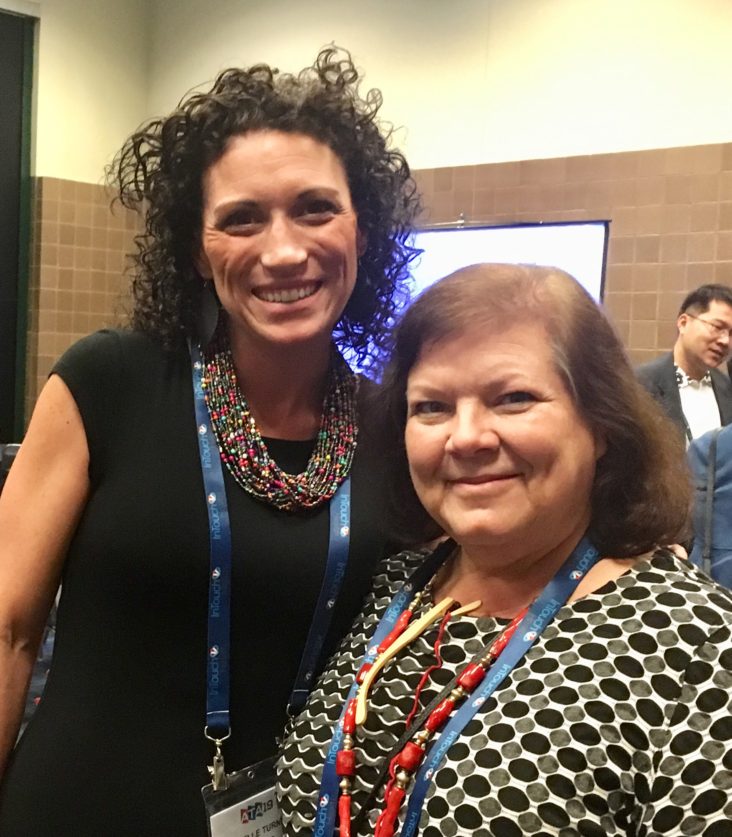
Women’s Telehealth is pleased to announce the partnership with The Addis Clinic, to provide volunteer obstetric and maternal-fetal medical expertise to healthcare workers in other countries lacking high risk OB physicians. Michelle Turner, Executive Director, and Meghan Moretti, Clinical Operations Manager, The Addis Clinic, and Tanya Mack, President of Women’s Telehealth, met at the Global Partnership for Telehealth’s Conference in Georgia this past spring. They later connected at the national ATA meeting and decided to combine resources to increase access to high risk OB care through Addis Clinic’s global partner clinics and telemedicine.

The Addis Clinic is a non-profit organization that connects volunteer physicians with local organizations to provide health care to vulnerable and underserved populations around the world. The primarily locations served include sub-Saharan Africa, the Caribbean and Central America. It is estimated that there is a shortage of 4 million healthcare workers globally.

The Addis Clinic partners with medical experts willing to donate their expertise to help train frontline clinic healthcare workers thousands of miles away using an innovative healthcare communications platform.

Thus far, Women’s Telehealth has been able to remotely assist high risk OB patients and healthcare workers in Kenya for such obstetric problems as: stroke at 20 weeks gestation, uncontrolled diabetes mellitus and malaria infections in pregnant women.

For more information about The Addis Clinic visit: https://www.addisclinic.org/

Photo: Michelle Turner, Executive Director, The Addis Clinic; Tanya Mack, President, Women’s Telehealth

Read More

Twin to Twin Transfusion Syndrome: A Life-Saving Story

A twin pregnancy comes with risks for mother and babies and this Women’s Telehealth patient story presents one such serious complication.

This Pregnancy’s Challenge: The ultrasound conducted by the patient’s local OB physician revealed that one twin was growing and the other was not. Preliminary tests indicated a suspected “Twin to Twin Transfusion Syndrome,” caused by a blood vessel defect. Left untreated, the survival rate for both twins would be less than 15%.  The mom-to-be needed immediate high-risk OB care and intervention. Because the closest MFM Specialist was two hours away and the patient would require consistent monitoring, she was referred to the OB/GYN’s MFM telemedicine partner in Atlanta, GA, Women’s Telehealth.

The Team’s Actions:

  • The initial MFM telemed consult and specialized ultrasound confirmed the “Twin to Twin Transfusion Syndrome” and identified the problematic blood vessels causing it. 
  • The MFM physician forwarded all images and notes immediately to the closest  fetal surgeon to see if he would take the case as there was a critical time window.
  • The surgery was performed in FL and the patient stayed in the hospital for a few days to monitor mom and babies before they were released to home.
  • WT continued to remotely monitor growth of both twins regularly until the OB and MFM doctors decided to deliver a little early via C-Section, to prevent loss and trauma.

The Results:

  • Two healthy baby girls were delivered slightly early by C-Section with no residual health problems.          
  • Cost savings were estimated to be > $12,000 in expenses.                                                                  
  • Travel savings of 2700 miles and 40 commuting hours were realized.                                               

Early identification and treatment of this often-fatal condition in a rural area, where there was no MFM specialist, led to the successful birth of these babies. Women’s Telehealth is pleased to have played a key role in arranging life-saving surgery through their network of high risk OB specialists and the use of continued monitoring via telemedicine!

. . . . . . . . . . . . . . . . . . . . . . . . . . . . . . . . . . . . . . . . . . . . . . . . . . . . . . . . . . . . . . . . . . . . . . .

Multiple births are much more common today than in the past. According to the U.S. Dept. of Health and Human Services, the twin birth rate has increased by over 75% since 1980, and triplet, quadruplet and high-order multiple births have increased at an even higher rate.  To learn more, visit:

https://www.reproductivefacts.org/news-and-publications/patient-fact-sheets-and-booklets/documents/fact-sheets-and-info-booklets/multiple-pregnancy-and-birth-twins-triplets-and-high-order-multiples-booklet/

. . . . . . . . . . . . . . . . . . . . . . . . . . . . . . . . . . . . . . . . . . . . . . . . . . . . . . . . . . . . . . . . . . . . . . .

Our goal in sharing patient case stories is to show the role and possibilities Women’s Telehealth plays in accessing and intervening in high risk pregnancies. We help turn patient and OB provider concern into the best possible care plans and outcomes for moms and their babies.
For more information, call our office at: 404.478.3017

Read More

Women’s Telehealth Announces New Partnership with Envision Healthcare

Women’s Telehealth welcomes Envision Healthcare’s Women and Children’s Division as a strategic partner. Envision Healthcare is a preferred national medical group that partners with hospitals and healthcare systems to provide anesthesia, emergency medicine, hospitalists, radiology, surgical and women and children’s services. They have a national network of over 25,000 clinicians over 45 states.

“This partnership expands the capabilities of both companies,” says WT President, Tanya Mack. “Envision Healthcare will add to their telehealth capabilities and NICU continuity of care and Women’s Telehealth will expand their service area to provide improved and quick access to maternal-fetal medicine services.”

Both companies share the goal of improving the clinical outcomes of high risk OB women and their babies. The WT team looks forward to working with Envision Healthcare team members, Deidre Jordan, VP of Clinical Operations, Juli Stover, VP of Virtual Health and Dr. Meg Prado, President of Envision’s Women and Children’s Services.

For more information about Envision Healthcare visit: https://www.evhc.net/

Read More

Keeping Safe While Pregnant

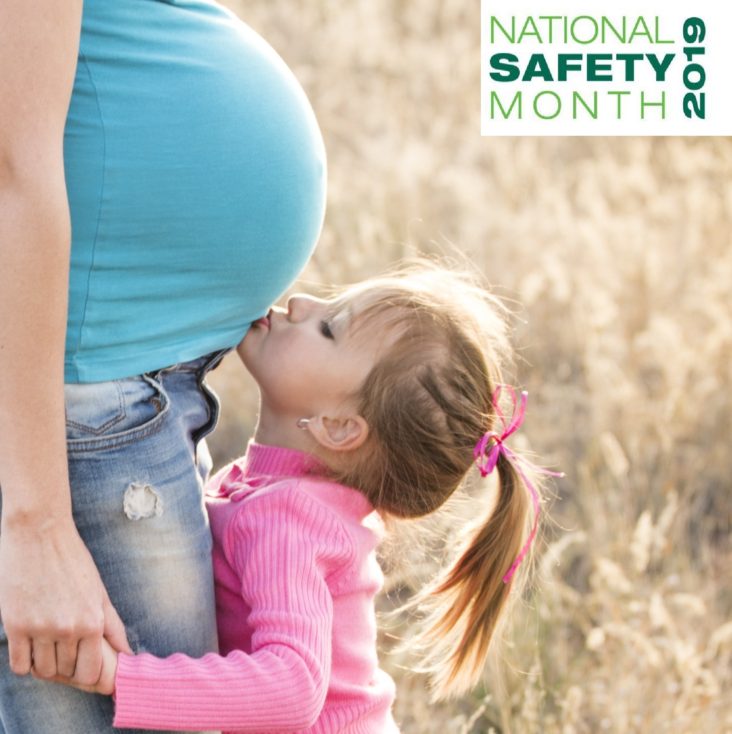
The U.S. celebrates National Safety Month in June! Since Women’s Telehealth focuses on high risk pregnancy, we are motivated to pass along some tips to keep moms safe while pregnant from day one through delivery!

Injury is the leading cause of death in the US between the ages of 1 and 44, which includes those childbearing years. Research shows that most injuries are preventable and over half of falls occur in the home.

Pregnant women are bombarded with all kinds of do’s and don’ts during their pregnancy. Now that summer is here, there are some extra precautions for pregnant women during this season.

Here are our “Top 10 Tips” for Keeping Safe While Pregnant:

  1. Wear a seat belt (We are frequently sent pregnant women who have been in motor accidents.)
  2. Don’t text and drive (In some states, it’s the law!)
  3. Avoid falls, trips and slips (The body’s center of gravity changes during the 2nd and 3rd trimester.)
  4. Mind your food safety (Learn about diet during pregnancy. Steer clear of mercury-laden fish.)
  5. Learn first aid and CPR (You can save another or help them save you!)
  6. Avoid overheating in the summer (Drink fluids and avoid dehydration.)
  7. Skip the amusement park rides that jolt suddenly and have high impact (can tear the placenta).
  8. Add the Poison Control number to your phone for an emergency: 1-800-222-1222
  9. Wear sunblock
  10. Most importantly – KEEP all your prenatal care appointments!  That’s the best prevention! Follow doctor’s guidelines on no smoking, drugs, alcohol, CBD use and caffeine during pregnancy.

To help us raise awareness for Pregnant Women and Family Safety, check your local neighborhood resources for local events on Family Safety Day, June 8th. Visit your local parks, get out and take a safe walk! Keep your safety awareness keen and teach your family to do the same!

~ Tanya Mack, President

Read More

Mom’s Rare Birth Defect – An Unchartered Pregnancy Story

This Women’s Telehealth patient story is a twist on a birth defect – the mother’s rare birth defect, a diaphragmatic hernia at birth, now posed a pregnancy management challenge to mom and potentially baby.

The Pregnancy Challenge: A mom-to-be from middle Georgia was 26 weeks pregnant when she visited her local OB physician for the first time.  When her initial OB assessment revealed that she had been treated for a Bochdelek Hernia at birth, her doctor promptly referred her to Women’s Telehealth for high-risk MFM Specialist care.

A Bochdelek Hernia is a rare, life-threatening congenital birth defect in which an opening in the diaphragm allows the baby’s abdominal organs to shift into the chest.  The patient required surgery at birth to place the organs in the proper position and repair the opening in the diaphragm, and, a tissue graft was placed surgically during childhood.  Rarely does a woman who has had this condition become pregnant herself later in life.                          

Of primary concern was:  Would the growing baby in utero cause the graft to stretch or possibly break? How would the growing baby affect the patient’s health? Would she be able to push during delivery or would a C-section be required? These were the serious questions facing the patient and her obstetric team.

The Team’s Actions:

  • The initial, advanced MFM ultrasound via telemedicine revealed that the tissue graft was intact and functioning well.                
  • The fetus was found to have a two vessel umbilical cord with low blood flow and was in the 9th percentile for its gestational age, indicating Intrauterine Growth Retardation (IUGR).                 
  • An extensive literature search revealed no documented, similar cases.                                                    
  • WT collaborated with other MFM’s and a graft surgeon in San Francisco who places grafts in children, to discuss the situation and graft function with a pregnancy stress.
  • The patient was educated about immediate reasons to present to the ER.                               
  • Diagnostic genetic lab tests revealed the baby did not have any genetic or neural tube defects.
  • WT is now in the process of writing this case study for publication in a professional peer reviewed journal, with the family’s cooperation, so there will be a future resource for others.          

The Results: A healthy, > 5-pound baby girl was successfully delivered via C-Section at 35 weeks gestation!  WT is happy to report that the mom’s diaphragmatic graft functioned well throughout the pregnancy and required no medical or surgical intervention. 

Women’s Telehealth was pleased to be called on to help solve this rare pregnancy dilemma. It’s another example of how the advanced MFM technological services can be provided via telemedicine to treat complicated, high-risk prenatal cases often saving time and money as well.

Our goal in sharing patient stories is to show the role and possibilities Women’s Telehealth plays in accessing and intervening in high risk pregnancies. We help turn patient and OB provider concern into the best possible care plans and outcomes for moms and their babies.
For more information, call our office at: 404.478.3017

Read More